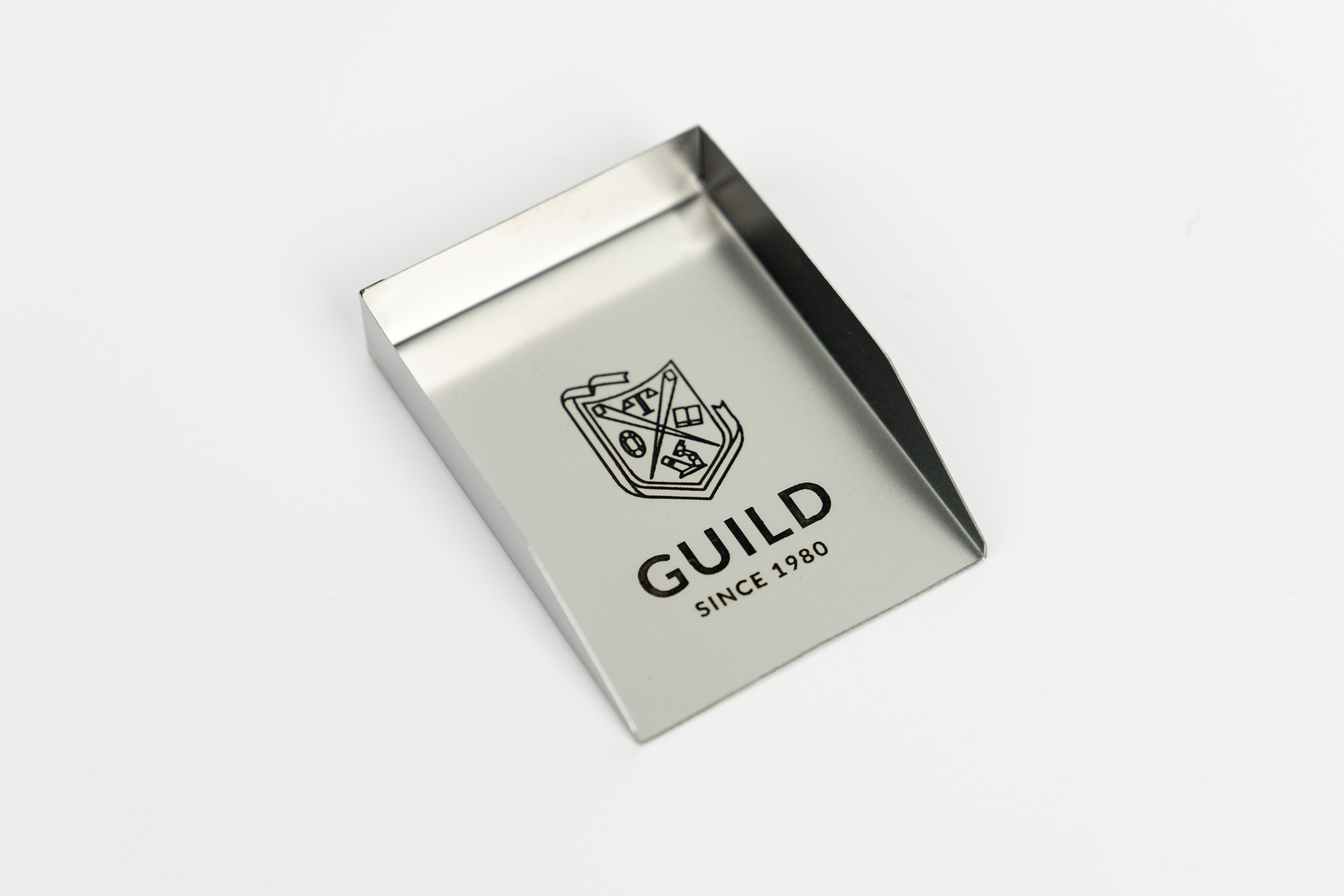
Gem scoop
A practical sorting tool for organizing and handling loose gemstones in bulk. Reduces direct hand contact, lowering the risk of surface contamination or accidental damage during sorting workflows.

GUILD Institute of Gemology
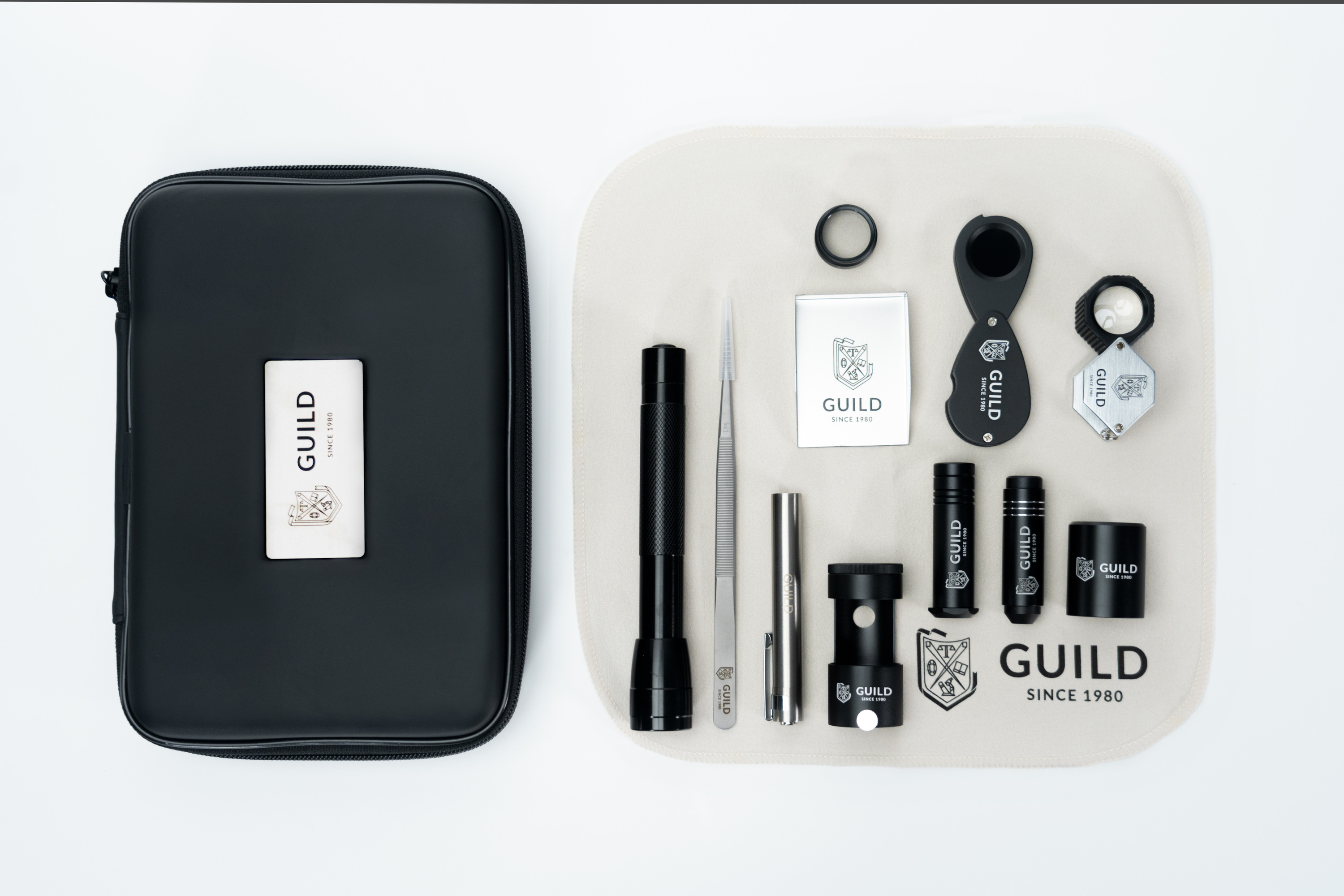
A curated set of professional-grade gemological instruments for field identification, classroom instruction, and everyday gem trade use.
Field-ready
Laboratory-informed
Four decades of practice
The GUILD Gem Testing Kit brings together the essential instruments required for structured gem identification outside the full laboratory environment. It supports gem professionals, students, and serious collectors who need dependable, repeatable observations in the field, classroom, or trade floor.
Each component is selected to complement the others: from magnification and secure handling to optical characterization, controlled illumination, and fluorescence screening. The kit is housed in a compact case so the workflow travels as confidently as the gemologist who carries it.
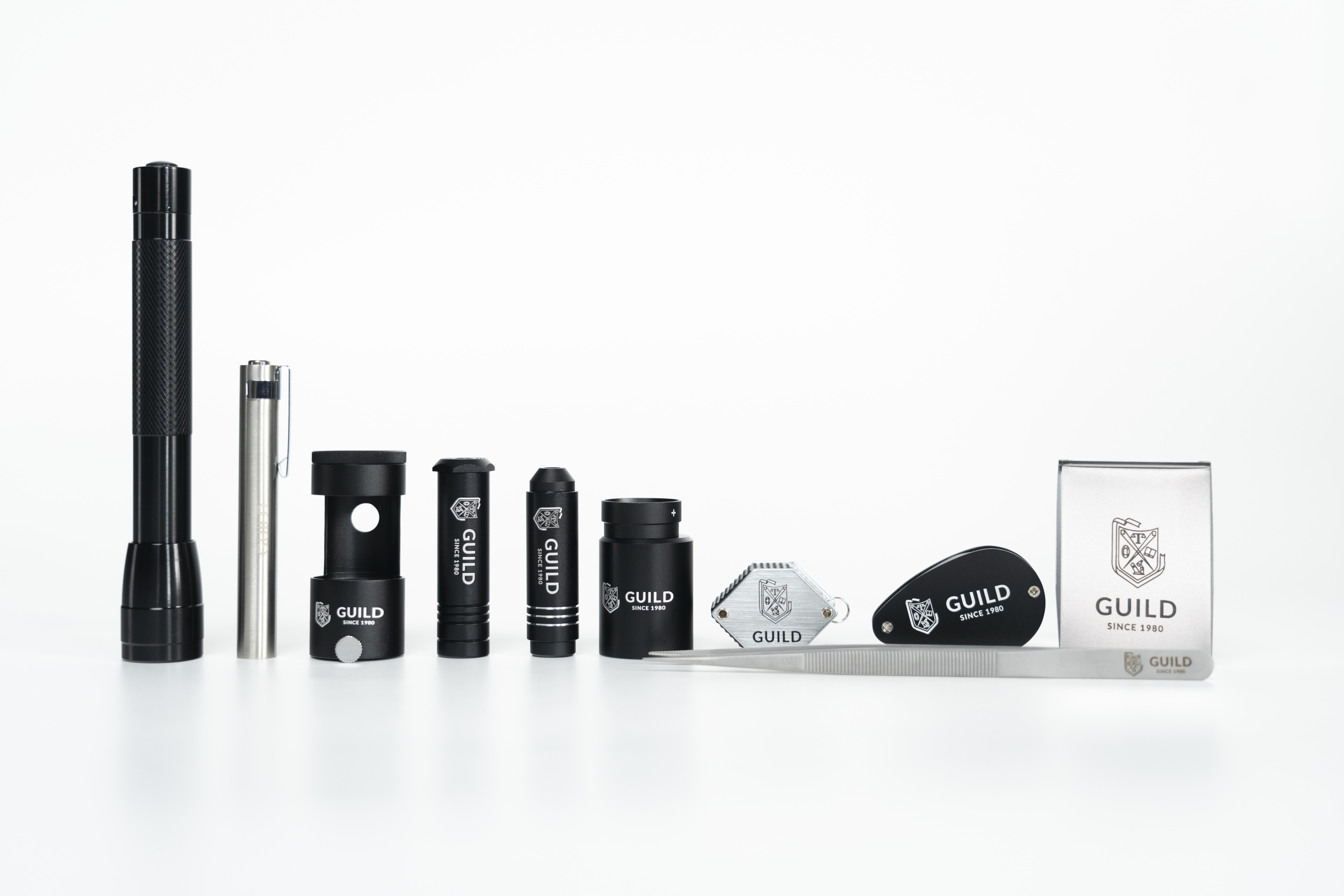
Twelve components, one coherent workflow — from first sort to supplementary filter tests.
A practical sorting tool for organizing and handling loose gemstones in bulk. Reduces direct hand contact, lowering the risk of surface contamination or accidental damage during sorting workflows.
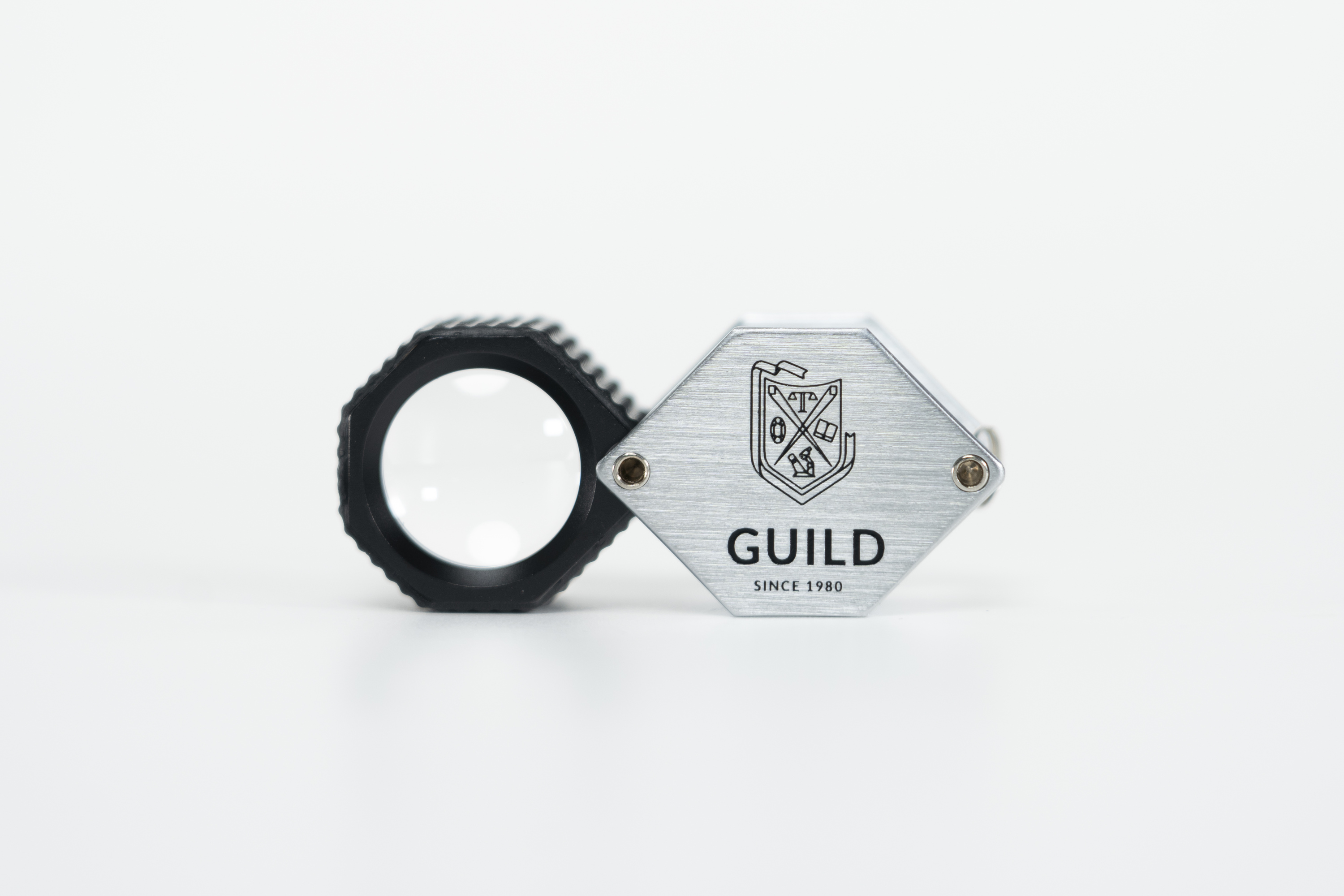
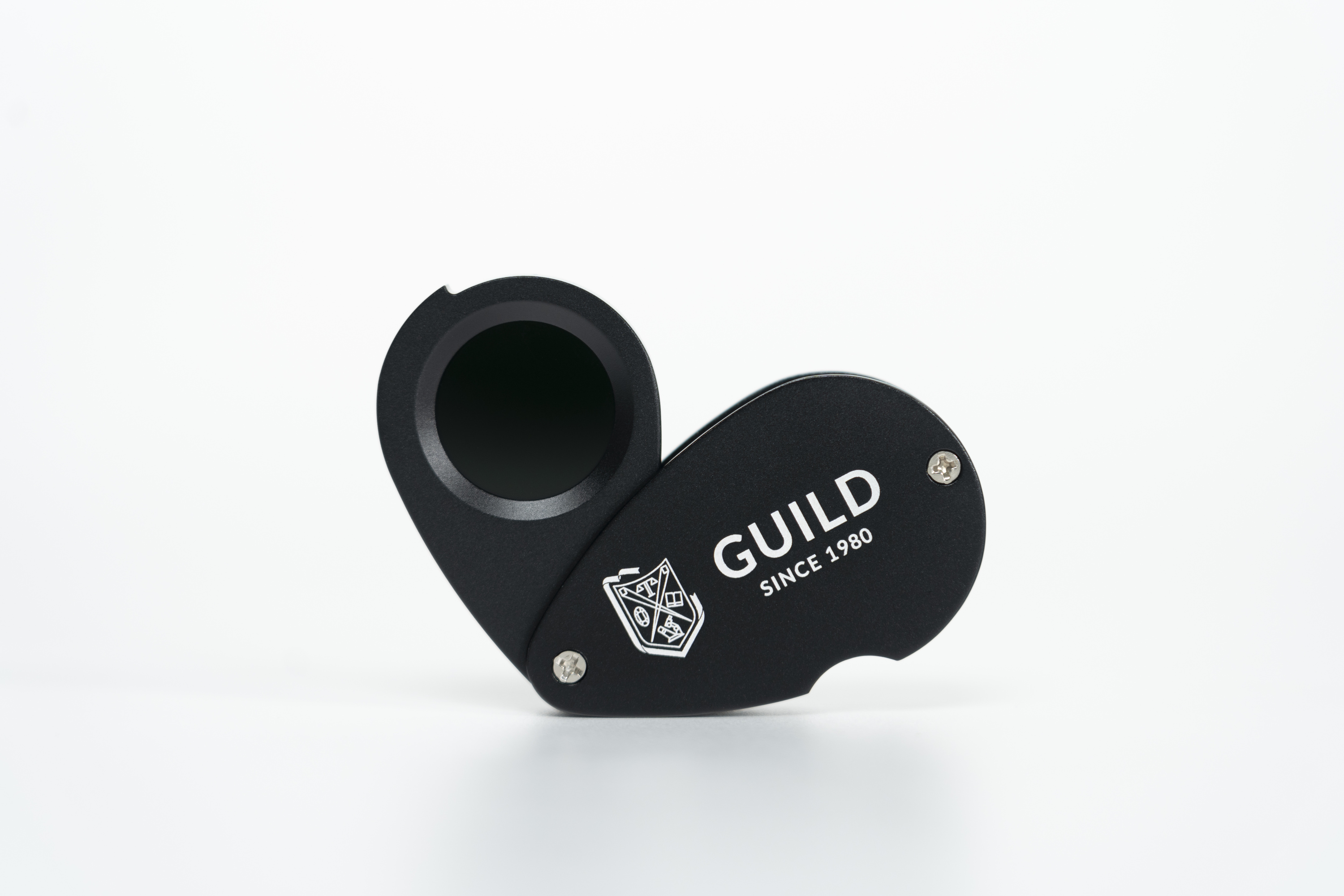
A standard 10× triplet loupe for inclusions, surface features, and clarity. Folding metal housing for durability and portability — the universally adopted magnification standard in gemological grading.
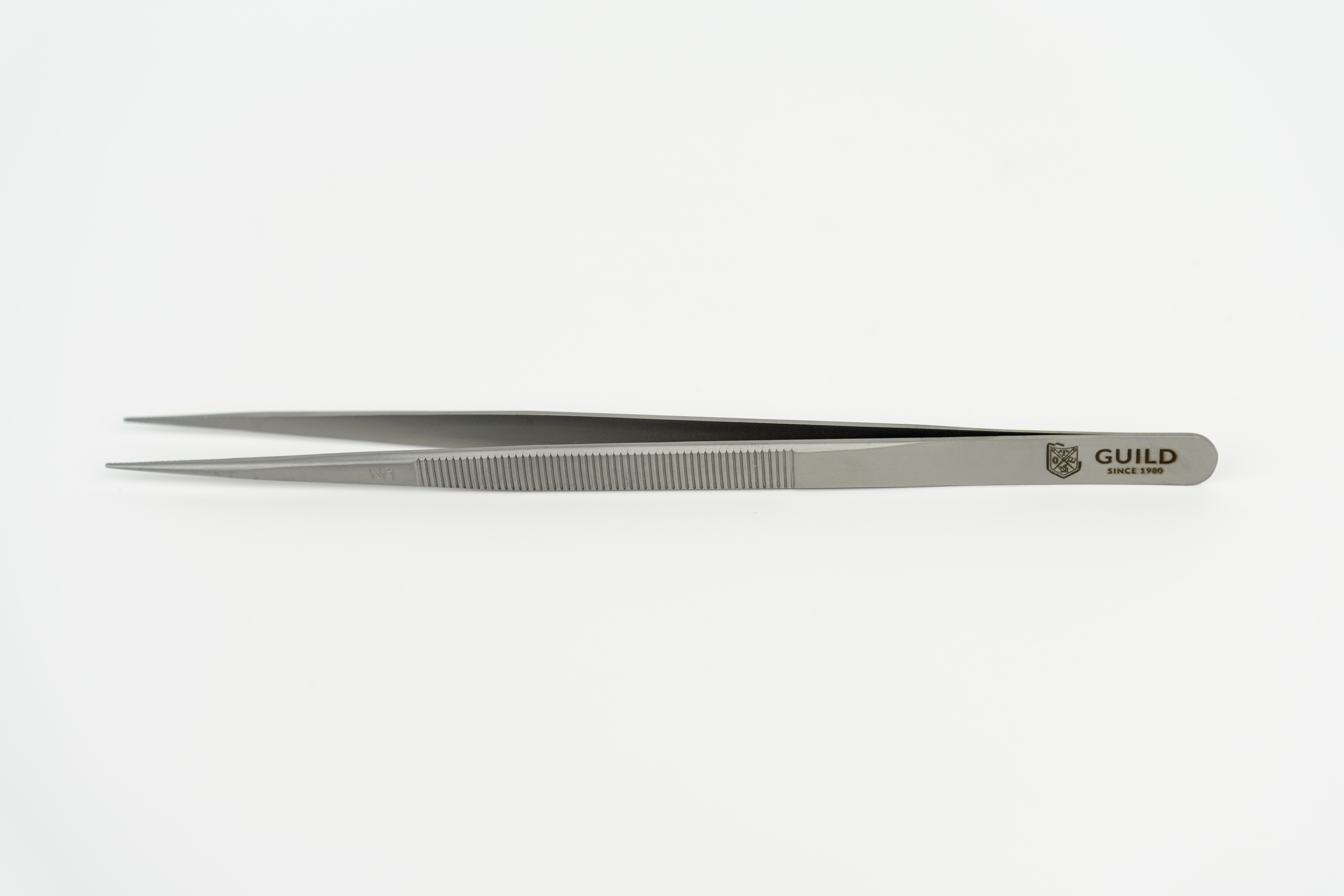
Precision tweezers for stones around 1–2 ct, with a locking groove and textured grip to limit slippage during examination — safe manipulation without scratching or contaminating the specimen.
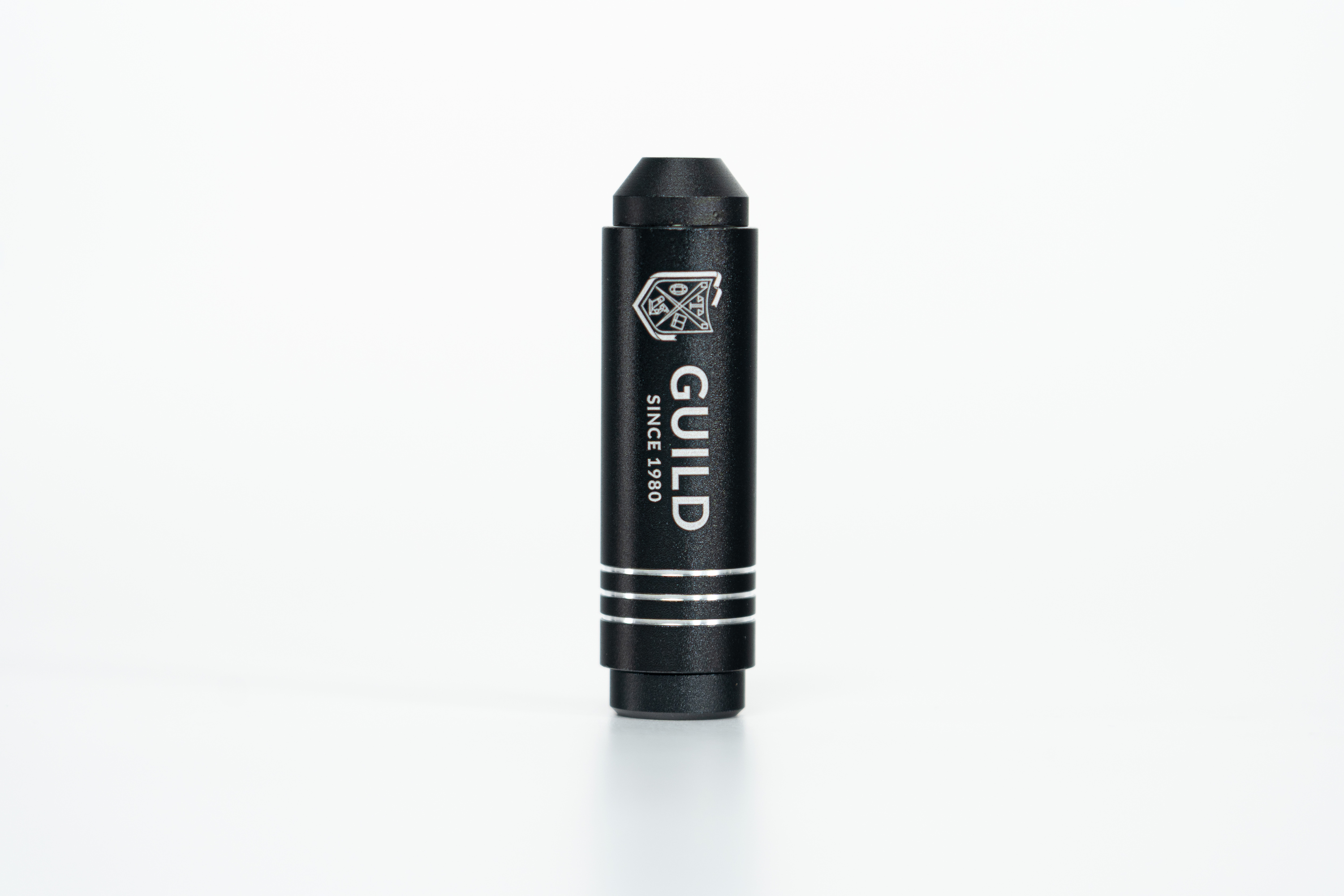
A compact spectroscope for absorption-spectrum work — effective when visually similar materials must be separated by their spectra (for example red spinel, red garnet, and red glass).
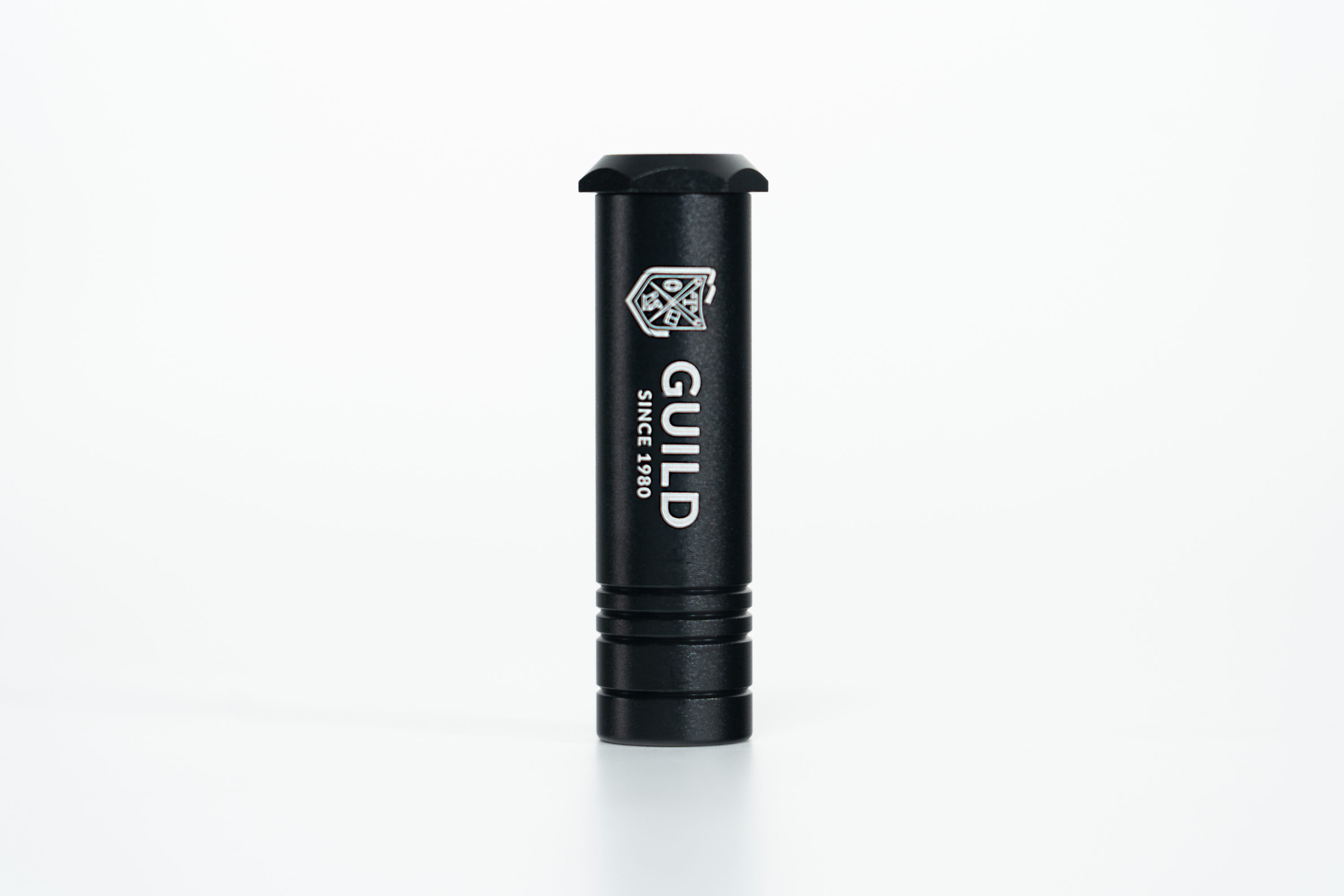
Observes pleochroism to assess optical character when a refractometer or polariscope cannot conclusively show whether a coloured stone is isotropic or anisotropic — a direct aid to species identification.
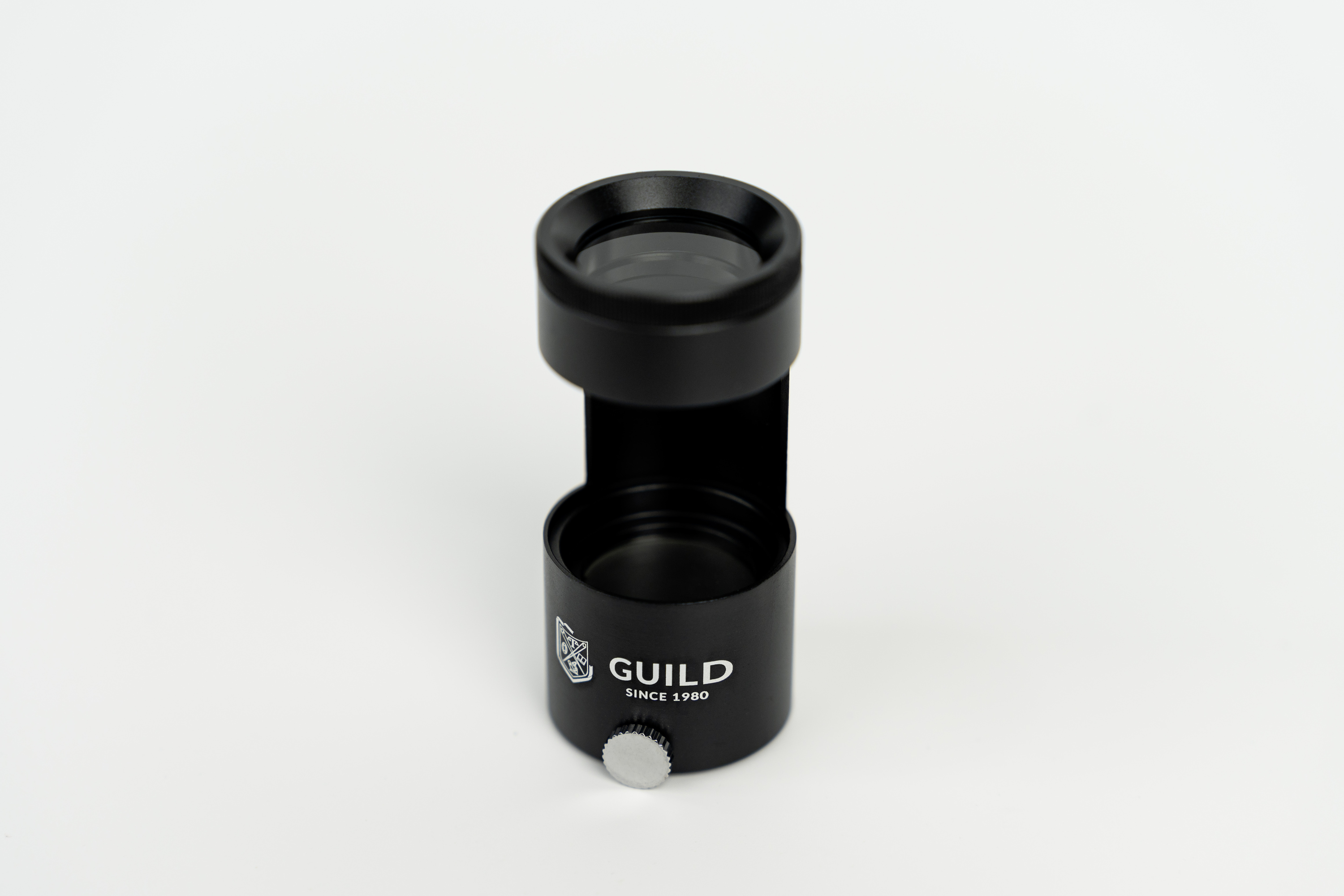
Determines single vs. double refraction, highlights aggregates and anomalous extinction, and separates isotropic from anisotropic materials — without chemical or destructive testing.
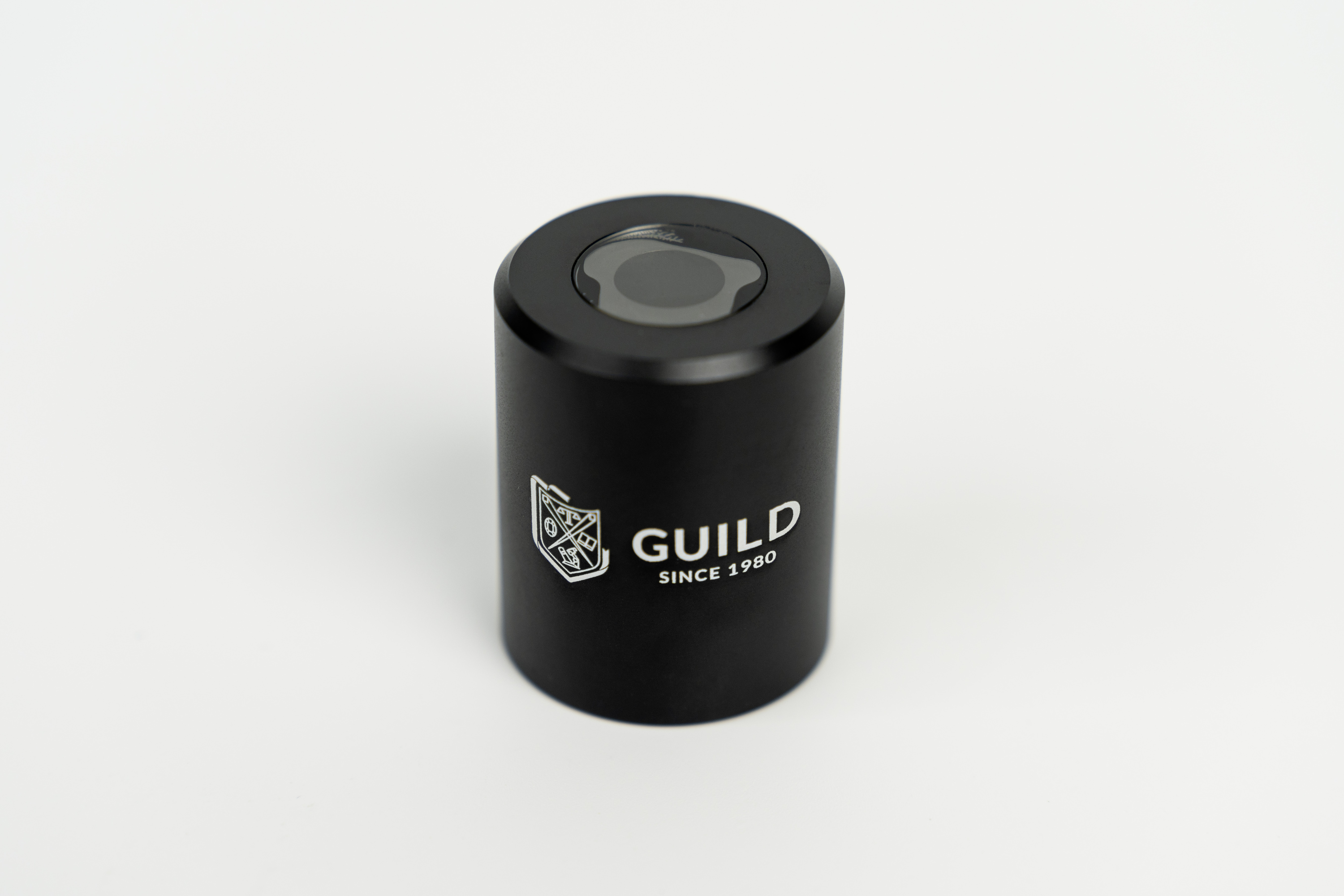
Works with a penlight or flashlight to approximate microscope dark-field lighting — lateral light improves visibility of inclusions, growth structures, and other internal diagnostics in rapid field checks.
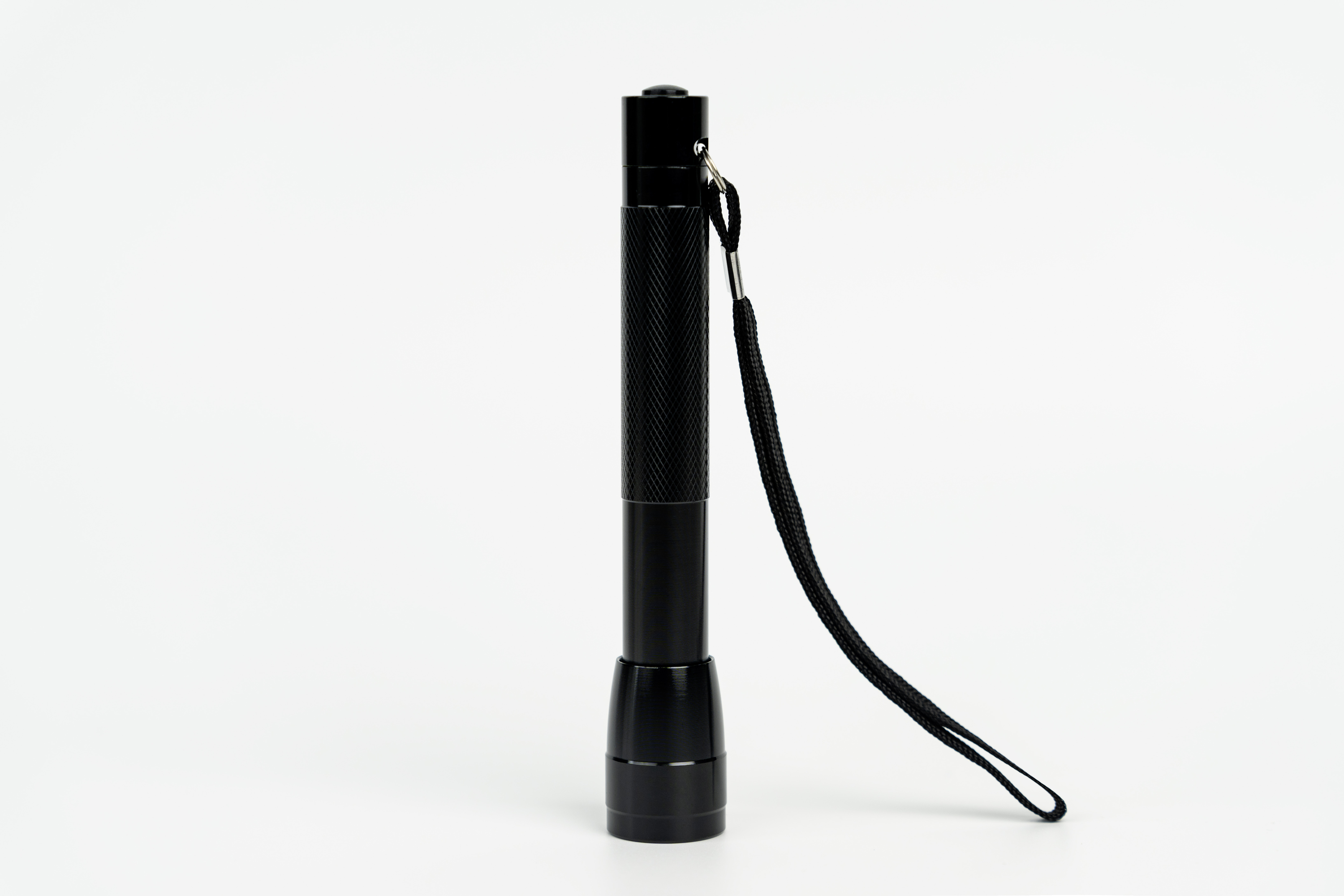
Warm-spectrum continuous light from a tungsten bulb — the conventional companion for Chelsea filter work, spectroscope viewing, and other methods that benefit from a stable incandescent source.
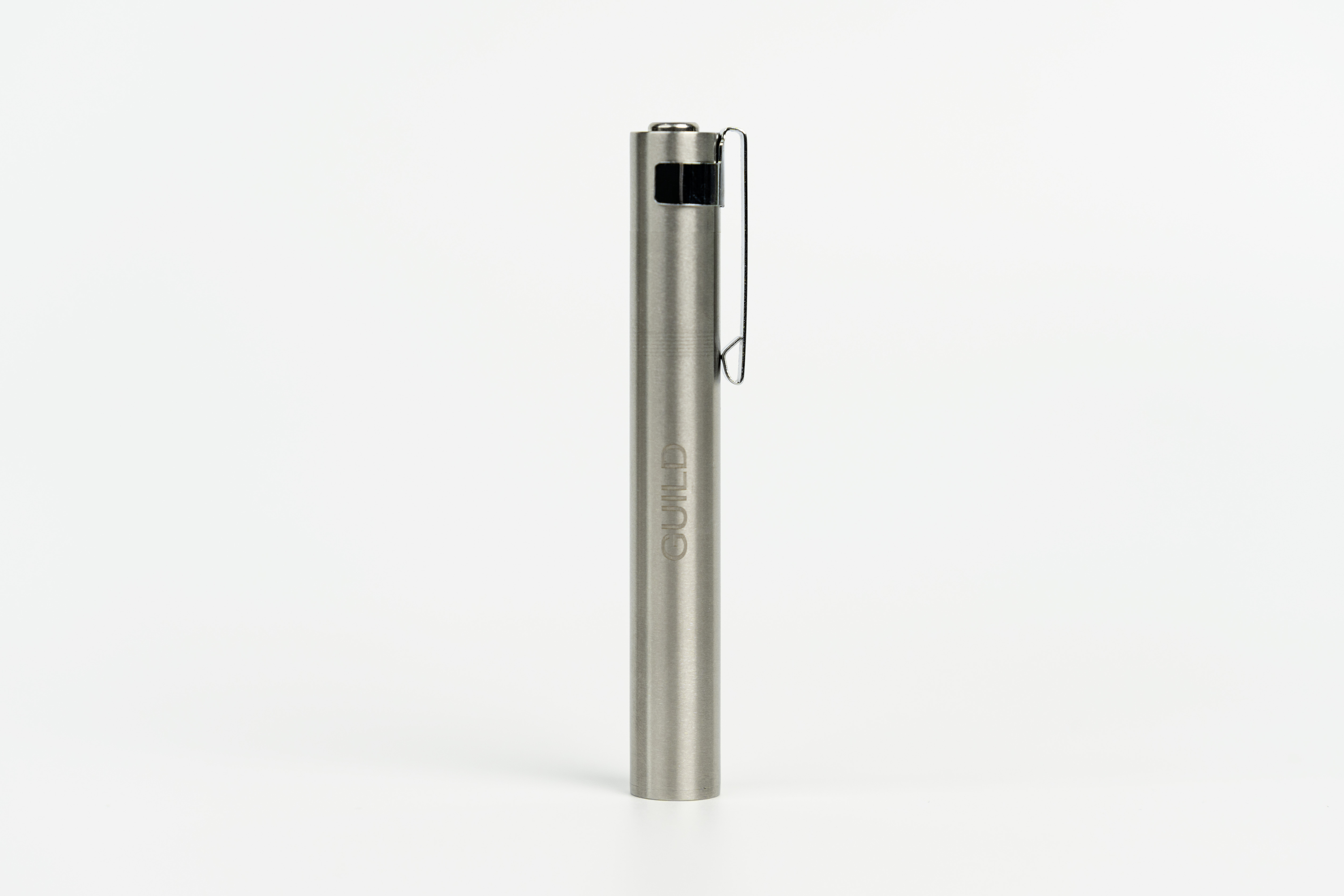
White light for general examination plus ultraviolet for fluorescence — a routine axis in identification and treatment detection, in one compact unit.
Classic combined glass filter; with the tungsten penlight it helps separate certain look-alikes — including some natural emeralds vs. green glass and synthetics — and flag some treated or dyed stones. Best used alongside other tests.
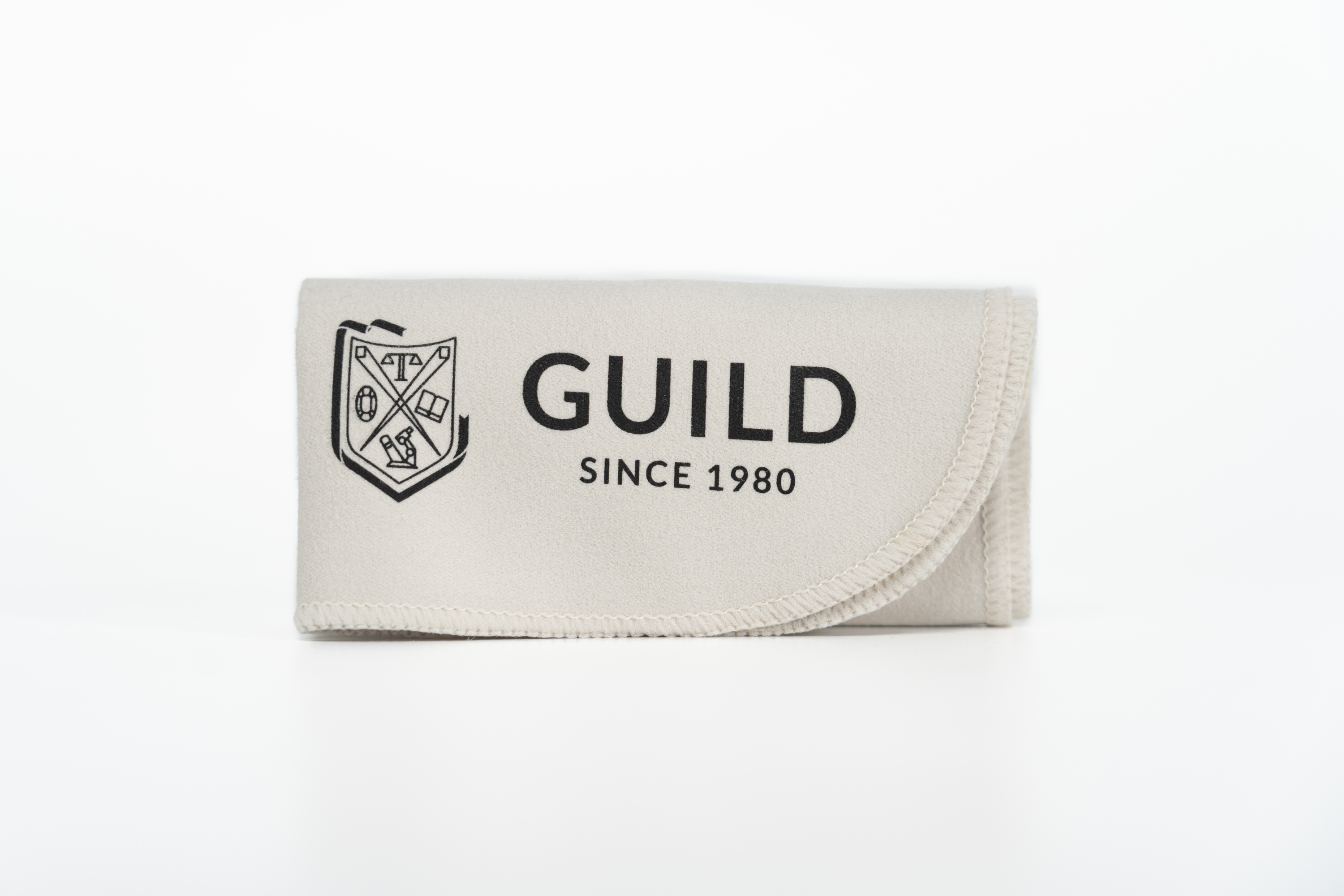
Soft, lint-free cloth for stone surfaces and optical surfaces before and after use — unobstructed viewing and fewer artefacts from fingerprints or dust.
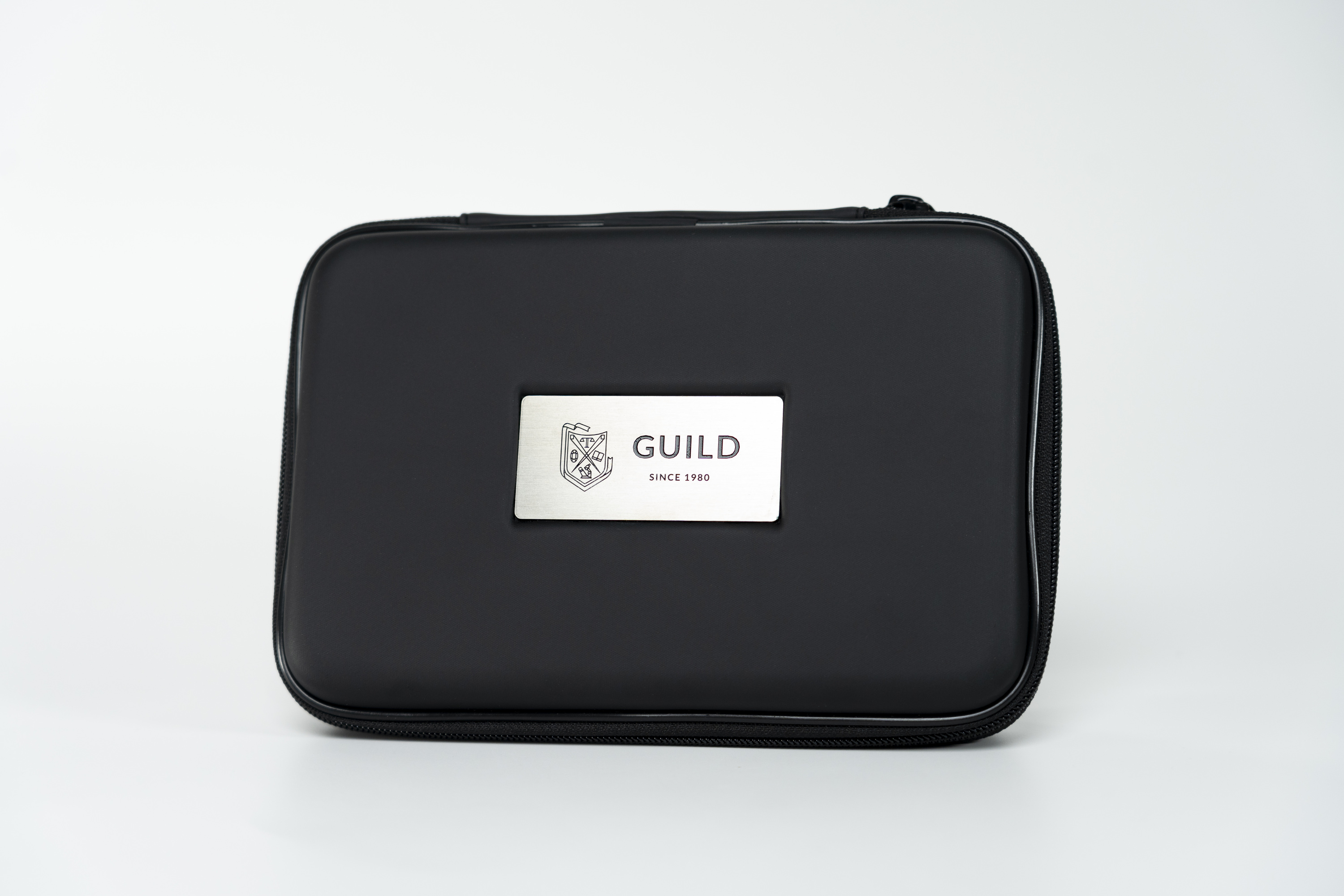
Portable case to organize and protect every component during transport and storage — equally suited to expeditions, trade shows, and daily professional use.